3–5 Day Turnover: Sequencing First Make Ready Plan for Landlords
3–5 Day Turnover: Sequencing First Make Ready Plan for Landlords
Prepare a rental for a new tenant by following one sequence: inspect and document the move-out condition, complete functional repairs, handle paint and flooring, deep clean, run safety checks, shoot marketing photos, then hand off with a signed move-in report. Photograph and timestamp everything for deposit protection. Resources like Hud, Buildium, and Avail back this order, and services like Fixmovehaul can handle the physical labor between steps.
TL;DR:
- Conduct move-out inspections within 24 to 48 hours with detailed, timestamped photos and videos to ensure documentation quality in case of disputes.
- Prioritize repairs before painting, cleaning, and photographing to prevent rework and keep turnover times within 3 to 5 days.
- Test all functional systems, including plumbing, electrical outlets, and HVAC, and log every service call to prevent costly emergency repairs after tenants move in.
- Schedule deep cleaning only after repairs and painting are complete, focusing on grout lines, vents, and window tracks to maximize visual appeal for listings.
- Handle all safety checks, rekey locks, and document existing conditions during the walk-through with the new tenant to avoid liability and deposit issues.
Table of Contents
- How Do You Conduct a Move-Out Inspection?
- Turning Inspection Notes Into a Make-Ready Schedule
- What Functional Repairs Should You Check Room by Room?
- What Does a Real Turnover Deep Clean Cover?
- Which Cosmetic Updates Actually Shorten Time to Lease?
- What Safety Checks Come Before Handing Over Keys?
- How Do You Run the Move-In Handoff?
- When Does It Make Sense to Hire On-Demand Help?
- An Editorial Take on Make-Ready Sequencing
- Fixmovehaul Handles the Physical Work Between Vendors
- Sources
How Do You Conduct a Move-Out Inspection?
Walk the unit within 24 to 48 hours of the tenant vacating, not weeks later. Memories fade, and so does your leverage. If a dispute over damage ever surfaces, the strength of your case rests almost entirely on how fast and how thoroughly you documented the unit the moment it emptied out.
Go room by room with your phone camera on and a notepad in hand. Cover these areas without skipping any:
- Kitchen: appliance interiors, cabinet fronts, under-sink plumbing, countertop edges
- Bathrooms: caulk lines, grout, drain flow, exhaust fan function
- Flooring: scuffs, stains, gouges, and any warping near doors or windows
- Walls and ceilings: nail holes, scuffs, water stains, smoke residue
- HVAC: filter condition, vent covers, thermostat function
- Exterior entry: door locks, weatherstripping, screens, lanai condition
Learn to tell normal wear from chargeable damage before you start writing up costs. A worn patch of carpet in a high-traffic hallway after three years is wear and tear. A cigarette burn or a pet-stained corner is damage. Faded paint from sun exposure is wear and tear; a fist-sized hole in drywall is not.
Name your files by room and date (for example, “kitchen_sink_031526.jpg”) and store them in one dated folder per unit. Avail’s turnover guide notes that timestamped photos tied to vendor invoices are the strongest evidence you can produce if a tenant disputes a deposit deduction.
Pro Tip: Shoot a slow video walkthrough narrating what you see, then take still photos of anything questionable. The video establishes context; the stills give you exhibits.
Turning Inspection Notes Into a Make-Ready Schedule
Your inspection notes are worthless sitting in a phone gallery. Convert them into a scope document the same day, sorted by category: maintenance, paint, flooring, locksmith, pest control, cleaning. Rank each item by whether it blocks other work. A leaking faucet blocks nothing downstream, but a flooring replacement blocks painting, and painting blocks cleaning.
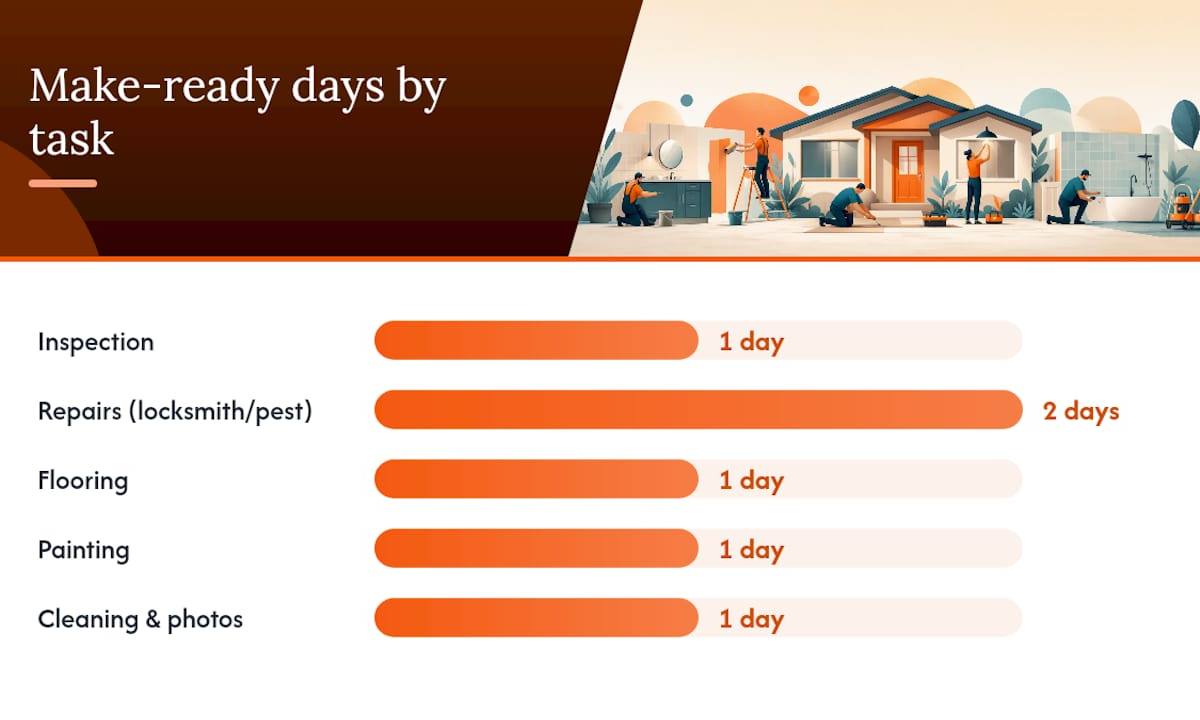
The sequence itself is non-negotiable, and skipping it is the single most common reason turnovers drag past a week. Repairs first. Paint and flooring second. Deep clean third. Photos last. Property managers who track this closely aim for a 3 to 5 day standard turn when the scope is normal. Reversing the order (cleaning before paint, for instance) just means paying for a second clean after drywall dust settles on every surface.
A sample schedule for a typical single-family unit:
- Day 1: Inspection, photo documentation, scope finalized
- Day 2 to 3: Functional repairs, locksmith, pest treatment if needed
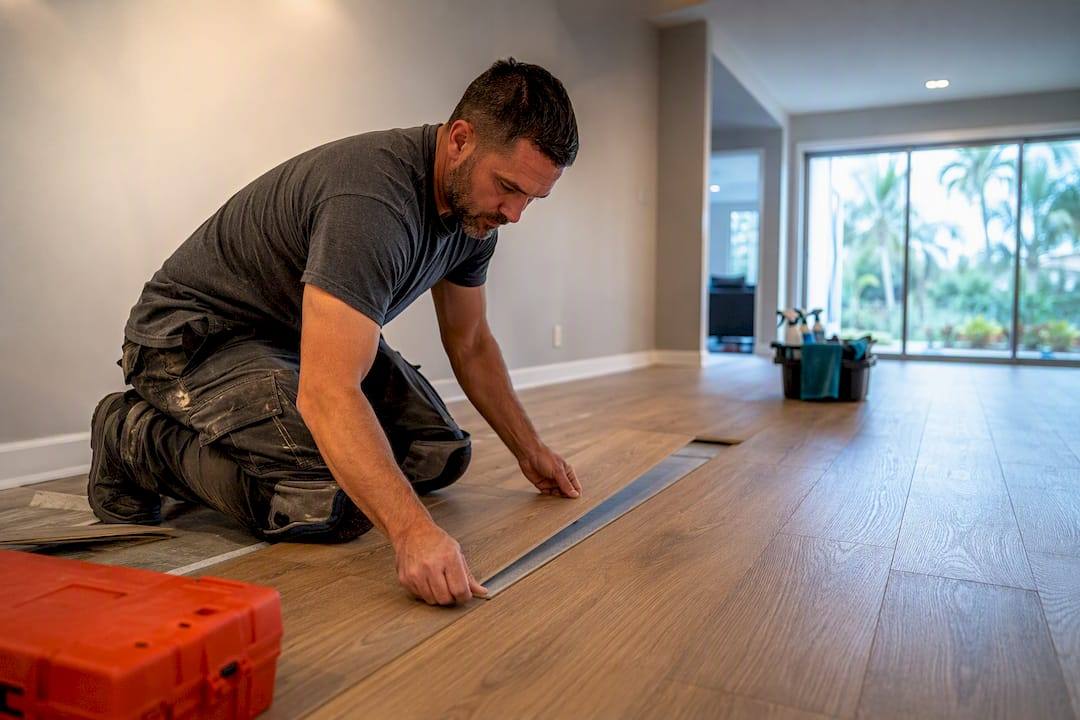
- Day 4: Paint touch-ups or full repaint, flooring work
- Day 5: Deep clean, final walkthrough, photos for listing
Pre-book your trades before the unit even goes vacant if you know the move-out date in advance. Buildium’s operational guidance recommends setting owner-approval thresholds ahead of time (a dollar amount above which you need sign-off) so a $200 repair decision doesn’t sit in an inbox for three days.
Pro Tip: Text your vendor list the projected start date as soon as the current tenant gives notice, even before you know the exact scope. A 48-hour head start on scheduling often saves two full vacancy days later.
What Functional Repairs Should You Check Room by Room?
Cosmetic problems annoy a new tenant. Functional failures generate emergency calls at 9 p.m. on a Sunday. Test every system before you move on to paint and cleaning, because catching a failure now costs you a technician visit; catching it after move-in costs you an angry tenant and an emergency service fee.
In the kitchen, run the dishwasher a full cycle, check the fridge and freezer temperatures with a thermometer, clear the garbage disposal, and get under the sink to check for slow drips that only show up under pressure.
In the bathroom, run the shower for several minutes and watch for leaks around the base, check the wax ring if the toilet ever wobbles, and re-caulk any gaps where water could seep into subflooring.
Electrical checks matter more than most landlords budget time for:
- Test every outlet with a plug-in tester, including GFCIs in kitchens and baths
- Flip every switch and confirm the fixture it controls actually works
- Open the panel cover and look for any burnt smell, rust, or loose breakers
For HVAC, swap the filter, run both heat and cool modes for at least ten minutes each, and listen for grinding or rattling that signals a bearing issue. Log every service call and invoice against the unit address, not just your general expense folder.
What Does a Real Turnover Deep Clean Cover?
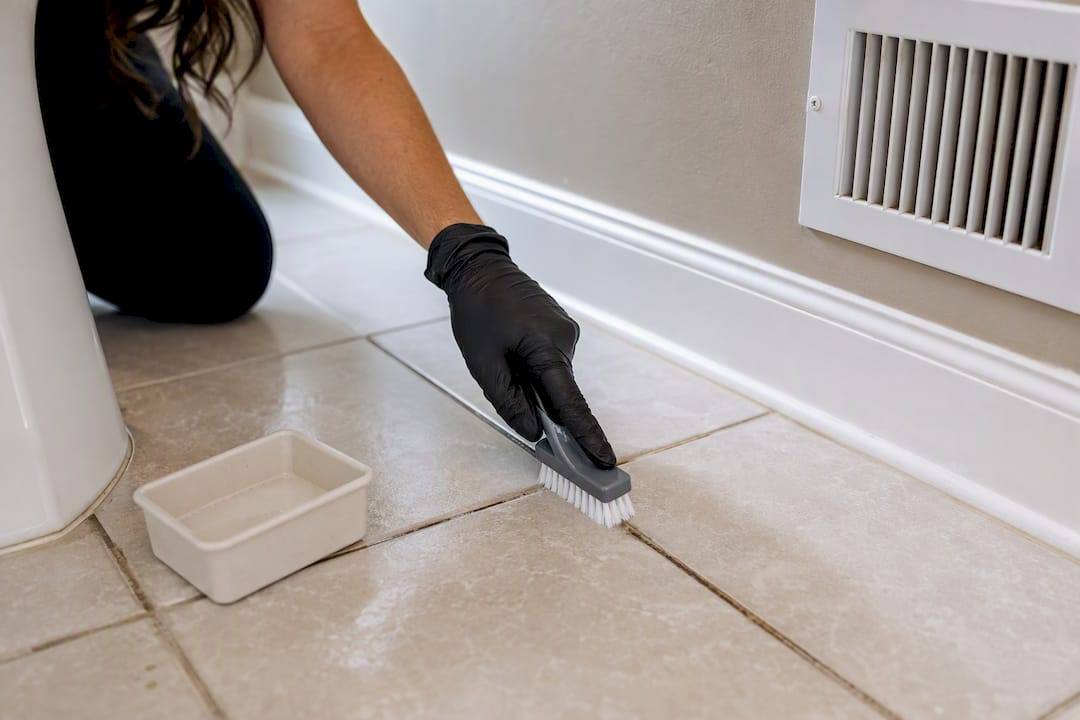
A turnover clean is not the same as a weekly tidy. It means cabinets inside and out, oven interior, range hood filters, all vents, grout lines, baseboards, and every window track where dust and dead bugs collect. Cleaning specialists who handle post-repair turns treat those grout lines and vent covers as the areas that make or break a listing photo, since they’re the first places a prospective tenant’s eyes go during a showing.
If the previous tenant had pets, don’t treat it as a standard clean. Enzyme treatments on carpet and pad are worth the extra cost because they break down odor-causing proteins that regular shampooing just masks temporarily. If a room still smells after one enzyme treatment and a second pass, replacing the carpet is usually cheaper than losing a week of showings to an odor problem that scares off applicants.
Timing matters as much as scope:
- Schedule the deep clean only after paint and repairs are fully finished, never before
- Run a quick dust wipe-down the morning after paint dries, before the cleaning crew arrives
- Book the cleaning crew last in your vendor lineup, right before the photographer
A detailed post-construction cleaning guide is worth bookmarking if you manage more than one unit and want a repeatable scope sheet for cleaning crews. The upfront cost of a thorough professional clean is small next to what one extra week of vacancy costs you in lost rent.
Which Cosmetic Updates Actually Shorten Time to Lease?
Not every scuff needs a full repaint. If marks are isolated to a few walls and match the existing paint sheen, touch up. If the whole unit shows years of nail holes, sun fading, and mismatched patches, a full repaint reads better in photos and costs less in labor than patchwork touch-ups across six rooms.
Flooring follows the same logic. Clean and repair minor damage where you can. Replace when stains or wear go beyond what a deep clean fixes. Luxury vinyl plank has become the default swap for worn carpet in high-traffic units because it survives the next tenant’s move far better and reads as an upgrade in listing photos.
Small, cheap swaps punch above their cost:
- New cabinet pulls and hinges
- Updated light fixtures in kitchens and entryways
- Fresh outlet and switch covers throughout
- New shower curtain rod and hardware in bathrooms
Only shoot marketing photos after every repair, paint job, and clean is complete. Buildium’s operational research treats “leasing readiness” as a separate milestone from physical readiness precisely because photos shot mid-repair undersell a unit and cost you applicant volume. Stage lightly (open blinds, turned-on lamps, a bath towel folded on the rack) and shoot during daylight hours for the best natural light.
What Safety Checks Come Before Handing Over Keys?
Some items aren’t optional, and skipping them creates liability, not just complaints. Test every smoke and carbon monoxide detector and replace batteries regardless of whether the old ones still show a green light. Log the test date and detector locations in your file.

Rekey every lock between tenancies, even if the last tenant returned all copies. Track the new key count issued to each new tenant, and check that egress windows open freely and any required handrails are secure.
A short pre-handoff checklist:
- Confirm all utilities are active and note current meter reads before move-in
- Include trash and recycling pickup days in the welcome packet
- Verify locks are rekeyed and log the number of keys issued
- Test smoke and CO detectors and record the date
If a previous tenant left furniture or belongings behind, don’t just haul it to the curb. State law generally requires written notice and a storage period before you can dispose of abandoned property, and the specifics vary widely by state. Document everything you find with photos before removal, since that inventory protects you if the former tenant later claims something valuable was missing.
How Do You Run the Move-In Handoff?
Walk the unit with the new tenant present, not alone beforehand. Go room by room and have the tenant initial each line on the condition report as you go, noting existing scuffs, appliance condition, and any pre-existing issues so nobody argues about them at move-out. Attach photos to the report the same day.
Hand over a welcome packet that actually gets used instead of filed away:
- Emergency contact numbers and after-hours maintenance process
- Trash and recycling pickup schedule
- Tenant portal login for rent payment and maintenance requests
- Utility company contacts for accounts the tenant needs to open
Collect move-in funds and confirm proof of renters insurance before releasing keys if your lease requires it. Don’t let a tenant move boxes in on a verbal promise to “send it over later.”
Store the signed condition report, every photo, and every repair invoice in one folder per unit, kept for at least as long as your state’s deposit statute of limitations, often several years. A cloud folder works fine as long as it’s backed up somewhere you won’t lose in a device swap.
When Does It Make Sense to Hire On-Demand Help?
Most delays in a turnover come down to one thing: waiting on labor you don’t have in-house. Junk removal after a messy move-out, hauling a broken appliance to the curb, assembling replacement furniture, or mounting a TV for a listing photo shoot are all jobs that eat a full day if you’re doing them solo between showings.
A local on-demand team coordinates around your existing vendor schedule instead of adding another moving piece. If your painter finishes Thursday, a same-day cleanup crew can clear debris that afternoon so the cleaners start Friday morning on schedule. Fixmovehaul handles exactly this kind of gap work across Southwest Florida, including realtor listing prep, Home Depot and Lowe’s pickups for replacement parts, and seasonal opening and closing for owners who split time between markets.
An Editorial Take on Make-Ready Sequencing
Most turnover advice online treats sequencing as a nice-to-have. It isn’t. It’s the entire game. Landlords lose more vacancy days to a cleaner showing up before the painter than to any single big repair, and almost nobody talks about that because it sounds too simple to write an article about.
Here’s what the conventional checklists get wrong: they treat “clean” as one step instead of two. You need a rough clean after repairs to knock down dust, and a real clean after that, right before photos. Skip the rough pass and your final clean gets undone by drywall grit before the crew is even out the door.
What should you prioritize first? Not the paint, not the cleaning. The inspection photos. Everything downstream, your repair scope, your vendor schedule, your deposit itemization, traces back to how well you documented day one. A landlord who nails the walkthrough and rushes the paint job still comes out ahead of one who skips documentation and does everything else perfectly.
— Mark
Fixmovehaul Handles the Physical Work Between Vendors
Fixmovehaul is the fast alternative to juggling four separate contractors for turnover logistics in Southwest Florida. Instead of scheduling a hauler, a delivery service, and an assembly crew separately, you book one team that shows up same-day for junk removal, furniture delivery and assembly, and Home Depot or Lowe’s runs for the parts your repair list needs.

Realtors and property managers use Fixmovehaul most often for listing-day crunches: a lanai that needs clearing, a piece of furniture that needs assembling before photos, or an abandoned couch that has to disappear before the cleaning crew arrives. If you’re staring down a five-day turn with three vendors and no spare hands, request a quote for realtor and listing prep or book a Home Depot pickup run and get one item off your list today.
Sources
For habitability standards and general federal housing guidance, hud.gov is the starting point before you assume a repair is optional. For operational timelines and scope templates you can adapt to your own units, Buildium’s turnover checklist and Avail’s turnover guide both cover pre-booking vendors and deposit documentation in more depth than most blog posts.
- Hud
- Avail: How to complete an apartment turnover checklist
- Nolo: Handle abandoned tenant property
- Buildium: Tenant turnover checklist