What to Do with Old Sofa Cushions: A Practical Guide
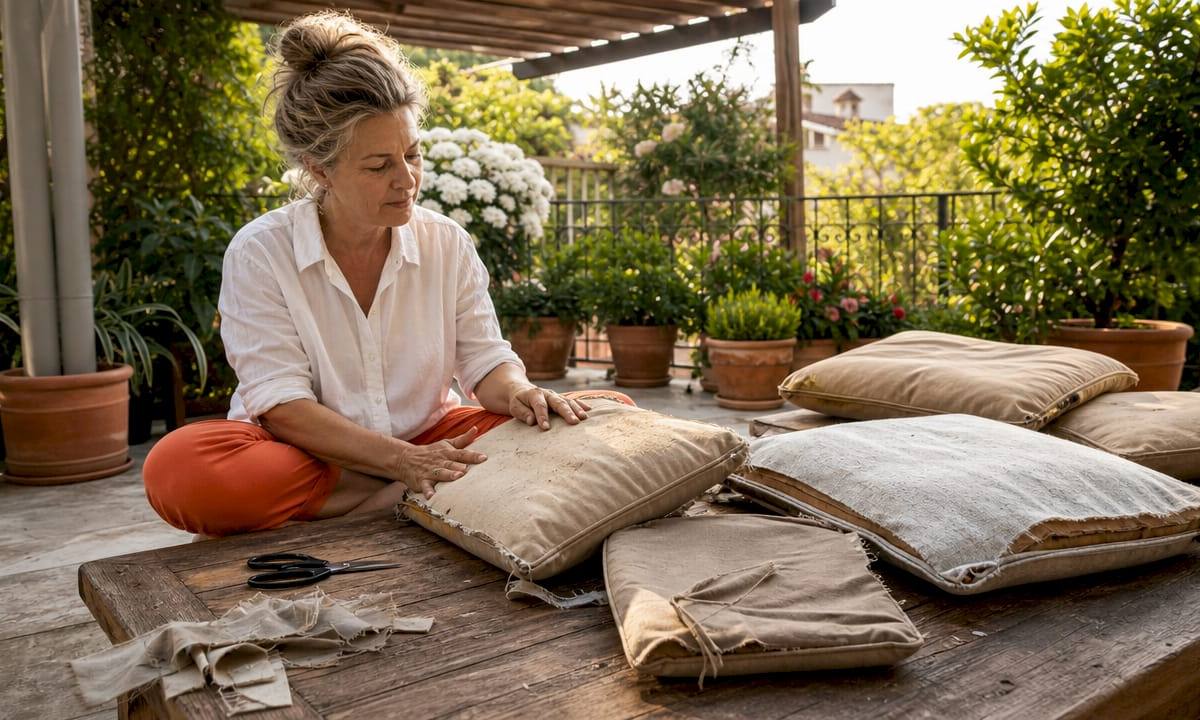
What to Do with Old Sofa Cushions: A Practical Guide
Old sofa cushions are defined as reusable assets, not waste. Whether you’re dealing with flat foam, torn covers, or musty fill, knowing what to do with old sofa cushions saves money and keeps material out of Florida landfills. Sofa frames often last 15+ years, while cushions degrade first. That means replacing or repurposing the cushions alone is almost always the smarter move. This guide covers assessment, DIY repair, upcycling sofa cushions, and responsible disposal, so you can pick the right path for your situation.
What to do with old sofa cushions: assess condition first
Before you repair, reuse, or toss anything, press down on each cushion and release it. Foam that springs back quickly still has structural integrity. Foam that stays compressed needs replacement. This simple press test tells you whether you have a foam problem, a fill problem, or only a cover problem.
Knowing the difference matters because each problem has a different fix:
-
Foam problem: The internal foam block has broken down. You need a foam replacement.
-
Fill problem: The cushion has loose fiberfill or down that has shifted or clumped. Restuffing or adding fill is enough.
-
Cover problem: The foam is fine, but the fabric is worn, stained, or torn. A new cover or a DIY recover solves it.
Run your hands along the seams and zipper. Check for structural tears, broken zippers, or fabric that has thinned to near transparency. A cover-only fix is the fastest and cheapest repair. A foam replacement takes more effort but repairing cushions is far more sustainable and economical than buying a new sofa.
Pro Tip: Press the center of the cushion, not the edge. The center takes the most weight and degrades fastest. If the center stays flat, replace the foam regardless of how the edges feel.
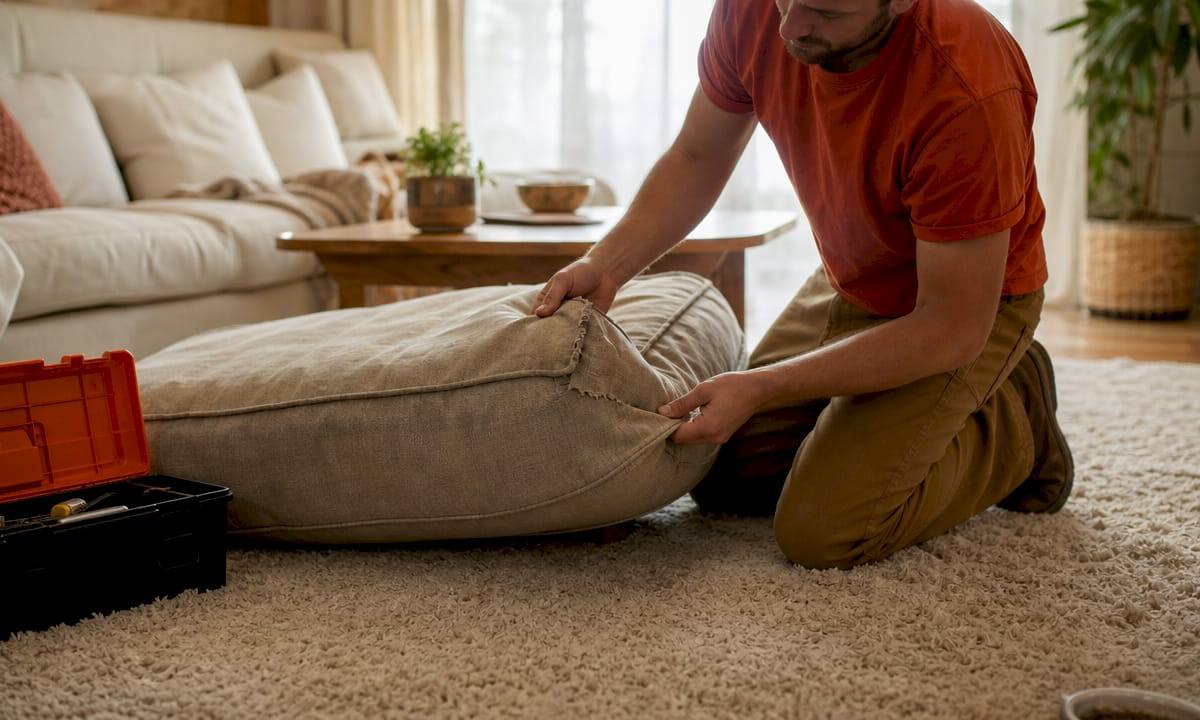
How to replace sofa cushion foam yourself
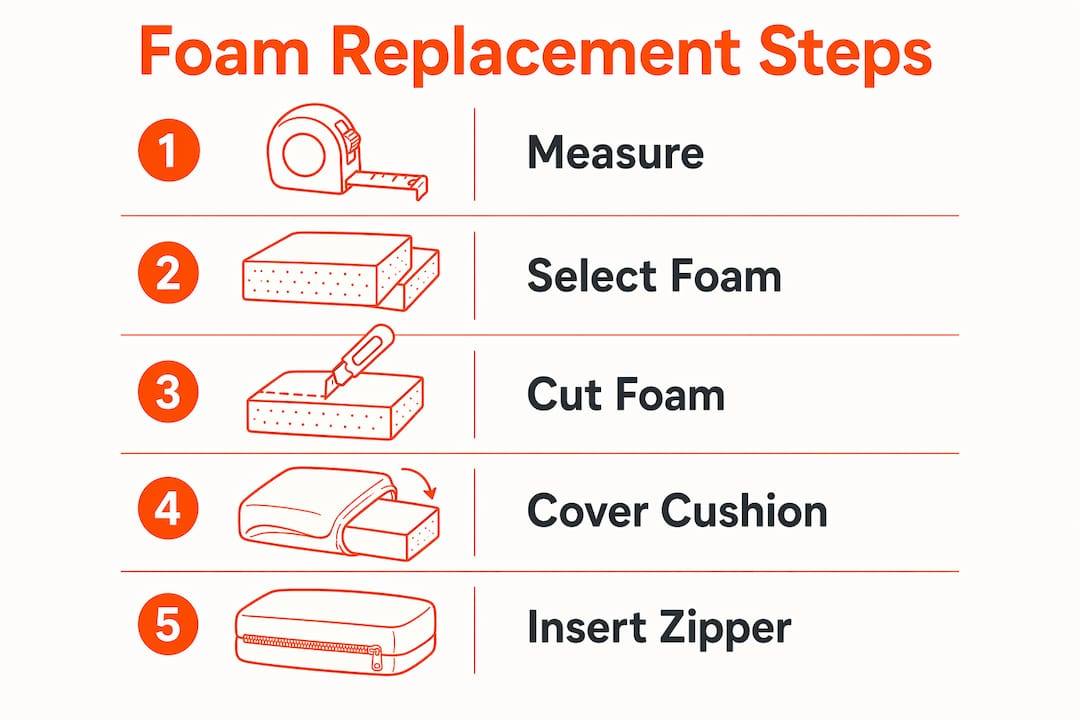
DIY foam replacement for a three-seat sofa costs $60–$180, saving 50–75% compared to buying a new sofa. That is a significant saving for a few hours of work. Follow these steps to get a clean, professional result.
-
Remove the cushion cover carefully. Unzip the cover fully and slide the foam insert out. Avoid pulling or forcing it, since older foam can crumble at the edges.
-
Measure the foam insert, not the cover. Lay the old foam flat and measure its length, width, and height. Add 0.5–0.75 inches to each dimension. This compression allowance gives you a tight, wrinkle-free fit once the cover is zipped back on.
-
Order high-density polyurethane foam. High-density foam rated 1.8–2.5 PCF (pounds per cubic foot) is the standard for daily seating. Lower-density foam feels soft at first but collapses within months.
-
Wrap the foam in fiber batting. A Dacron or polyester fiber batting wrap goes around the foam block before you slide it into the cover. This adds a softer feel, rounds the edges, and extends the life of the foam.
-
Reassemble the cushion. Compress the wrapped foam slightly, slide it into the cover, and zip it closed from one corner. Work the fabric smooth as you go to prevent bunching.
Pro Tip: Fabric choice affects the final look. Covers with slight elasticity, like teddy or cotton blends, pull tighter and look cleaner than stiff upholstery fabric. If you are also making a new cover, choose stretch fabric.
Here is a quick reference for foam density selection:
| Use case | Recommended density | Expected lifespan |
|---|---|---|
| Daily seating, adults | 1.8–2.5 PCF | 5–10 years |
| Guest or occasional use | 1.5–1.8 PCF | 3–5 years |
| Outdoor or pet cushions | 1.8+ PCF, closed-cell | 4–7 years |
Recovering a cushion takes about 2 hours. Pacing the work and not rushing the zipper step prevents most common mistakes.
Creative ways to reuse old couch cushions and covers
Not every cushion is worth repairing for seating. Some are too far gone for the living room but still have plenty of life left in other forms. Upcycling sofa cushions is one of the most practical ways to reduce household waste, especially in Florida where outdoor living creates constant demand for extra padding.
Here are proven repurposing ideas for both foam inserts and covers:
-
Garden knee pads. Cut foam inserts into smaller blocks and wrap them in a waterproof fabric. Florida gardeners kneel on hard soil and concrete, and a repurposed foam pad protects knees without spending $20 on a store-bought version.
-
Pet beds. Foam inserts make excellent dog or cat beds. Slip the foam into a pillowcase or sew a simple cover from the old cushion fabric. Animal shelters in Southwest Florida also accept clean foam inserts and covers for animal bedding.
-
Outdoor seating pads. Florida lanais and patios see heavy use. A repurposed cushion insert wrapped in outdoor fabric extends your patio seating without buying new cushions.
-
Cleaning cloths and rags. Cushion covers convert easily into cleaning cloths, shoe rags, or tote bag liners. Cut the fabric into squares and hem the edges, or leave them raw for disposable rags.
-
Textile art and crafts. Patterned covers work well for patchwork projects, fabric baskets, or decorative pillow fronts. The fabric is already pre-washed and softened from use, which makes it easier to sew.
Simple repairs like securing loose seams and swapping inserts extend cushion life cost-effectively before you commit to a full repurpose. Always try the quick fix first.
Pro Tip: Before cutting up a cover for rags, check if the zipper still works. A working zipper means the cover can become a storage pouch, a travel bag liner, or a reusable produce bag with almost no sewing required.
How to responsibly dispose of old cushions in Southwest Florida
When repair and repurposing are not realistic options, responsible disposal keeps foam and fabric out of landfills. Florida has specific drop-off and donation resources worth knowing.
-
Donate to animal shelters. Local animal shelters and rescue organizations in Collier County and Lee County regularly accept clean foam inserts and fabric covers for animal bedding. Call ahead to confirm what they accept.
-
Textile recycling drop-offs. Many municipalities in Southwest Florida operate textile recycling bins at community centers and transfer stations. Fabric covers qualify as textiles even when worn.
-
Natural fill composting. If your cushions contain natural fillings like cotton or wool, those materials are compostable. Synthetic polyester fill is not compostable but can sometimes be accepted at foam recycling facilities.
-
Junk removal services. For bulk cushion disposal or full sofa removal, a local junk removal service handles pickup and ensures materials are sorted for donation or recycling where possible.
Preparing cushions for donation or pickup takes five minutes. Remove any broken zippers or sharp staples, shake out loose debris, and bag the cushions in a clear plastic bag so recipients can see the condition. Clean cushions get accepted. Dirty ones get tossed.
Improper disposal, such as leaving foam on the curb without a scheduled pickup, can result in fines in some Florida municipalities. Scheduling a pickup through a licensed service protects you and keeps the neighborhood clean.
Key Takeaways
Repairing or repurposing old sofa cushions is almost always more cost-effective and sustainable than replacing the entire sofa, especially when the frame is still structurally sound.
| Point | Details |
|---|---|
| Press test first | Foam that stays compressed needs replacement; foam that springs back only needs a cover fix. |
| Measure the insert, not the cover | Add 0.5–0.75 inches to foam dimensions for a tight, wrinkle-free fit. |
| Use high-density foam | Foam rated 1.8–2.5 PCF lasts 5–10 years for daily seating. |
| Repurpose before discarding | Old foam works as pet beds, garden pads, or outdoor seating in Florida’s year-round climate. |
| Dispose responsibly | Donate clean inserts to animal shelters or schedule a junk removal pickup to avoid landfill waste. |
Why I stopped throwing away cushions years ago
The first time I replaced foam in a sofa instead of buying a new one, I felt like I had discovered something the furniture industry would rather I didn’t know. The frame was solid hardwood. The cushions were flat. A $90 foam order and two hours of work later, the sofa felt brand new. That experience changed how I look at every piece of upholstered furniture.
What I’ve learned since then is that most people overestimate how hard cushion repair is and underestimate how much it saves. The press test alone has saved me from unnecessary purchases more than once. You press, you release, you know. It takes three seconds.
The repurposing angle is where things get genuinely interesting. Florida’s outdoor lifestyle means there is always a use for extra foam and fabric. I’ve turned old cushion inserts into lanai floor pads, dog beds, and even a kneeling pad for tile work. The covers have become cleaning rags, storage pouches, and once, a surprisingly decent tote bag. None of that required a sewing machine.
The one thing I’d push back on is the idea that donation is always the right move for worn cushions. Animal shelters want clean, usable material. Dropping off a mildewed foam block wastes their time. Be honest about condition before you donate. If it’s too far gone for a shelter, schedule a proper pickup and let a service handle sorting.
— Mark
Fixmovehaul makes cushion pickup easy in Southwest Florida
When repair and repurposing are not options, getting rid of old cushions should not be a hassle. Fixmovehaul serves Naples, Bonita Springs, Estero, Lee County, and Collier County with on-demand pickup and junk removal in SWFL that handles everything from single cushions to full furniture hauls.

Fixmovehaul offers same-day service, direct communication, and transparent pricing with no surprise fees. The team sorts items for donation or recycling where possible, so your old cushions don’t automatically end up in a landfill. Whether you’re a homeowner clearing out after a renovation, a snowbird prepping for the season, or a renter moving out, Fixmovehaul handles the heavy lifting. Contact them directly to schedule a pickup that fits your timeline.
FAQ
Can I replace sofa cushion foam myself?
Yes. DIY foam replacement costs $60–$180 for a three-seat sofa and saves 50–75% compared to buying a new sofa. Measure the old foam insert, add 0.5–0.75 inches to each dimension, and order high-density polyurethane foam rated 1.8–2.5 PCF.
What can I do with old cushion covers?
Old cushion covers work as cleaning cloths, tote bag liners, pet bedding covers, or material for textile crafts. Covers with working zippers can become storage pouches with no sewing required.
How do I know if my cushion foam needs replacing?
Press the center of the cushion and release it. Foam that springs back quickly still has good support. Foam that stays flat or compressed needs to be replaced.
Where can I donate old sofa cushions in Florida?
Animal shelters and rescue organizations in Collier County and Lee County accept clean foam inserts and fabric covers for animal bedding. Call ahead to confirm their current needs and condition requirements.
Is it better to repair or replace a sofa with worn cushions?
Repair is almost always better when the frame is intact. Sofa frames last 15+ years, while cushions degrade first. Replacing only the cushions extends the sofa’s life at a fraction of the cost of a new piece of furniture.