
10-Point Home Watch Checklist for Snowbirds: Printable & Photo-Ready
10-Point Home Watch Checklist for Snowbirds: Printable & Photo-Ready
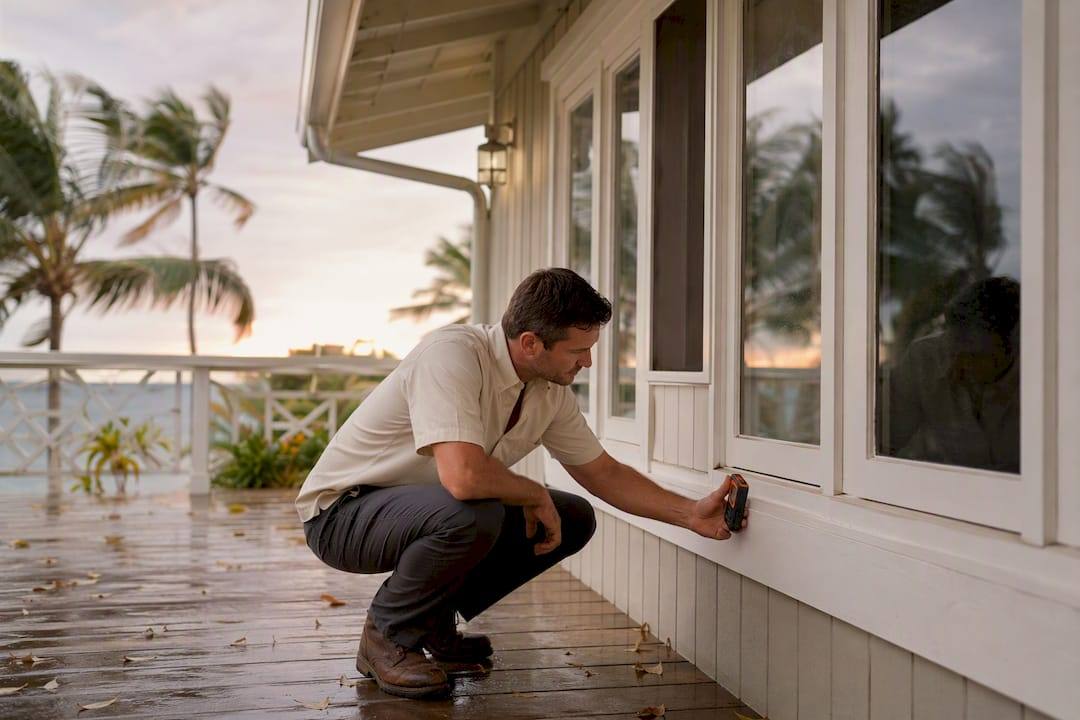
A complete home watch checklist covers five areas: exterior and grounds, interior rooms, major systems, security and access, and departure tasks. Print it, assign it to a keyholder or a service like Fix Move Haul, and schedule visits on a cadence matched to your property’s risk, with more frequent checks for coastal or humid homes and less frequent for lower-risk ones. Every visit should end with a photo-documented report and a pre-agreed escalation protocol so small problems never sit unnoticed for weeks.
TL;DR:
- Regular exterior inspections should prioritize clearing mail, checking for debris, testing outdoor lighting, and verifying pool equipment to spot signs of vacancy and vandalism.
- Interior checks must include locking all doors and windows, inspecting for leaks and mold, and testing appliances to detect hidden damage early.
- Systems like HVAC, plumbing, electrical, and pool equipment require ongoing maintenance checks, such as filter replacements, condensate line clearances, and chemical dosing.
- Security protocols must involve arming alarms, updating access codes, and documenting keyholders to prevent unauthorized access and ensure quick response to issues.
- Scheduled visits should be tailored to property risk, with coastal or humid homes checked weekly, while lower-risk homes may suffice with monthly inspections.
Table of Contents
- Your Printable Home Watch Checklist at a Glance
- Exterior and Grounds: The First Five Minutes That Matter Most
- Interior Walkthrough: What a Five-Minute Skim Misses
- HVAC, Plumbing, Electrical, and Pool Equipment
- Security, Access, and Keyholder Coordination
- When to Run Each Task: Departure and Visit Schedule
- Documentation and Escalation: The Part Homeowners Skip
- How Fix Move Haul Fits Into the Checklist Reality
- Why Most Checklists Fail Before the First Visit
- Book a Seasonal Visit Instead of Hoping the Checklist Gets Done
- Sources
Your Printable Home Watch Checklist at a Glance
Keep this near your front door or laminate it for a caretaker. Mark each line OK or Issue, and photograph anything flagged.
- Visit info: date, inspector name, weather, time in and time out.
- Exterior: mail/packages cleared, no standing water, irrigation working, roofline clear.
- Doors and windows: locked, no forced-entry marks, screens intact.
- Interior: no odors, no visible leaks under sinks, no pest droppings.
- HVAC: thermostat holding set point, filter date checked, condensate line draining.
- Water heater and plumbing: no drips, main shutoff location confirmed.
- Electrical panel: no tripped breakers, GFCIs test and reset properly.
- Pool/spa: pump running, water clear, chemical feeder cycling.
- Security: alarm armed, cameras online, timed lights functioning.
- Notes and photos: attach at least two images for any flagged item, context and close-up.
A free printable checklist template already includes most of these fields, including the visit metadata block professionals use, so you’re not designing one from scratch.
Exterior and Grounds: The First Five Minutes That Matter Most
Most vacancy signals live outside, not inside. A pile of flyers or an overgrown lawn tells burglars a house sits empty, so the exterior pass matters as much as anything indoors.
- Collect mail and packages, and cancel deliveries if you’re gone more than a couple of weeks.
- Walk the full perimeter looking for debris, standing water, or irrigation heads spraying the wrong direction.
- Scan the roofline and gutters from the ground for obvious sagging, missing shingles, or clogged downspouts.
- Test outdoor lighting, check screens for tears, and confirm gates and fences latch properly.
- Verify the pool pump is cycling and the skimmer basket isn’t overflowing with leaves.
If you spot damaged irrigation or storm debris, a landscaping maintenance checklist built for HOA-governed properties covers the coordination details, including who to notify before hiring a crew.
Interior Walkthrough: What a Five-Minute Skim Misses
Water damage and pest problems rarely announce themselves loudly. They show up as a faint musty smell, a soft spot in drywall, or a trail of droppings near a baseboard.
- Confirm every door and window is locked and undamaged, and check for new scuffs or forced-entry marks.
- Run water briefly in each sink and shower, flush toilets, and open under-sink cabinets to check for slow leaks.
- Power on the refrigerator, dishwasher, and washer/dryer briefly to confirm they still run, and check that perishables haven’t been left behind.
- Sniff for mildew near baseboards, closets, and laundry areas. Mold spreads fast in Florida’s humidity once a leak goes unnoticed.
- Photograph anything unusual immediately. A phone photo with a timestamp is worth more than a written note days later.
HVAC, Plumbing, Electrical, and Pool Equipment
These four systems cause the most expensive damage when they fail unattended, and most failures give warning signs a trained eye catches early.
- HVAC: Set the thermostat to a vacation range (generally 78 to 82 degrees in Florida) rather than shutting it off entirely. Check the condensate line for clogs and replace filters on the schedule you agreed with your caretaker.
- Water heater: Switch to vacation mode or flip the breaker if you’re gone for an extended stretch, and know exactly where the main water shutoff valve sits before you leave.
- Electrical: Open the panel and look for tripped breakers, then press “test” on every GFCI outlet to confirm it resets.
- Pool/spa: Listen for unusual pump noise, check that the chemical feeder is dosing correctly, and note cloudy water immediately rather than waiting for the next visit.
Pro Tip: Ask whoever checks your property to note condensate line status every single visit. A clogged drain line is one of the fastest ways an air handler backs up and drips into a ceiling, and it’s completely preventable with a five-second check.
Security, Access, and Keyholder Coordination
An alarm system only helps if someone is watching it, and a spare key means nothing if nobody tracks who has one.
- Confirm the alarm is armed and check camera battery levels or connectivity if you monitor remotely.
- Rotate access codes periodically and keep a written log of every person holding a key, including cleaners, landscapers, and pool techs.
- Use smart plugs or timers on interior lights to simulate occupancy on a rotating schedule rather than the same lamp every night.
- Define red-flag triggers in advance: an open door, a broken window, or a disarmed alarm should trigger an immediate call, not a note for later.
When to Run Each Task: Departure and Visit Schedule
Your last 48 hours before leaving determine how the property behaves for the next several weeks, so this part of the checklist deserves extra attention.
- 48 hours out: Empty perishables, take out trash, and record utility meter readings.
- 24 hours out: Set the thermostat to vacation mode, switch the water heater to vacation setting, and confirm the main water shutoff is accessible.
- Departure day: Lock all doors and windows, arm the alarm, and confirm timed lighting is active.
- Ongoing visits: Weekly for coastal, humid, or older properties; monthly checks often suffice for lower-risk homes with newer systems and less moisture exposure.
- Storm season adjustments: Increase frequency to weekly or after any named storm, regardless of your normal cadence.
Humidity accelerates almost everything that goes wrong in an empty Florida house, from mold to AC strain, which is why coastal properties need a tighter schedule than a home fifty miles inland.
Documentation and Escalation: The Part Homeowners Skip
A checklist without a report is just a promise. What actually protects you is a visit log with timestamped photos, clear OK/Issue flags, and a documented decision trail for anything that needs a fix.
- Every report should include time in, time out, weather conditions, and at least two photos (a wide shot plus a close-up) for any flagged issue.
- Photo-rich, GPS-verified reports are what most insurers expect to see if you ever file a claim tied to storm or water damage.
- Pre-agree an escalation chain before you leave: which local vendor gets called first, at what cost threshold your caretaker can authorize a repair without calling you, and when it’s serious enough to involve emergency services.
- Decide up front whether you want a printable PDF checklist or an app-based report with GPS stamps. Either works, but only if it’s used consistently.
For remediation issues that need photo documentation before and after cleanup, a guide on documenting property condition walks through the standard most property professionals follow.
How Fix Move Haul Fits Into the Checklist Reality
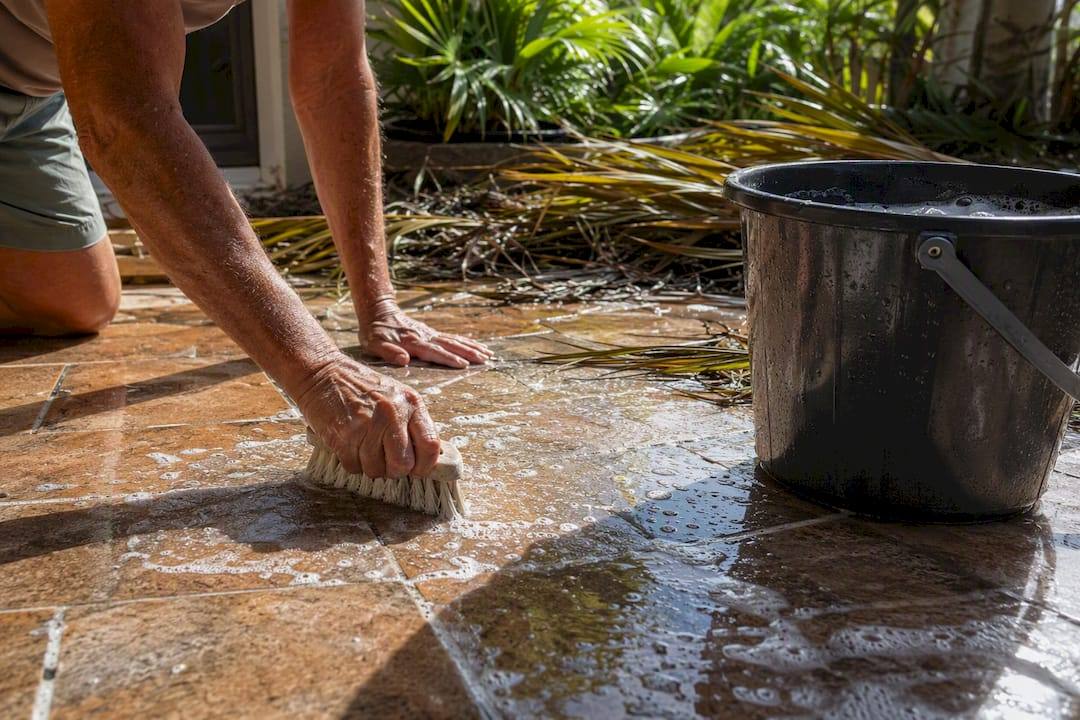
Most of this checklist is straightforward on paper and hard to execute from another state. Fixmovehaul handles the exact tasks that show up on it: seasonal opening and closing, same-day fixes when something trips during a visit, and lanai cleaning after a storm passes through. Mark, who writes the outdoor installation guides on the Fix Move Haul blog, built those posts around the same principle this checklist follows: catch small issues before they become expensive ones.
Why Most Checklists Fail Before the First Visit
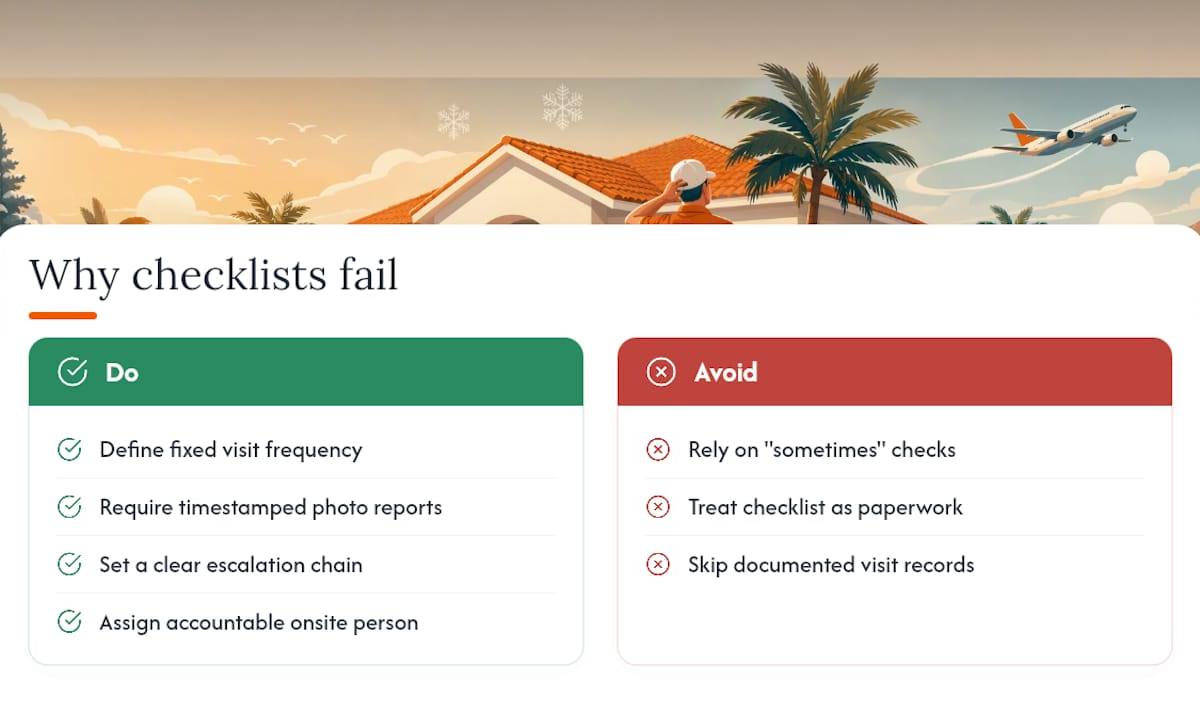
The checklist itself rarely fails. What fails is the assumption that anyone, homeowner or hired caretaker, will remember every line item without a documented system behind it. I’ve seen the same pattern play out with snowbirds who swear their neighbor “checks in sometimes.” Sometimes isn’t a schedule, and a glance through a car window isn’t a documented visit with timestamps and photos.
The real gap isn’t information. Every checklist in this article covers the same ground: exterior, interior, systems, security, departure. The gap is accountability. A 110-point professional checklist means nothing if nobody’s actually walking the property on a fixed cadence, and a photo report means nothing if the escalation chain behind it is fuzzy. Homeowners who treat this as a paperwork exercise get burned. Homeowners who treat it as an operational system, with a defined frequency, a defined reporting format, and a defined decision tree for problems, are the ones who come back in April to a house that survived the summer intact.
— Mark
Book a Seasonal Visit Instead of Hoping the Checklist Gets Done
Fix Move Haul is the alternative to hoping a neighbor remembers to check your pool pump. Southwest Florida homeowners get on-demand visits, same-day fixes, and photo-documented reports without hiring a full-time property manager or flying back for a leaking water heater.

The Seasonal Opening and Closing service covers the full departure and arrival checklist: thermostat settings, water heater mode, exterior walkthrough, and a documented report waiting in your inbox. Need something picked up before you arrive, or a return handled while you’re still up north? The shopping and pickup service and return and exchange service cover those errands too. If a visit turns up storm debris or items that need to go, junk removal in Naples is a same-day call away. Book a seasonal visit now and get your first documented report before you even land back in Florida.
Sources
- The Ultimate Home Watch Checklist: 110+ Points Every Home Watch Professional Should Cover | Oceanside Home Watch
- Home Watch Visit Checklist (Printable PDF) — HomeWatchTools