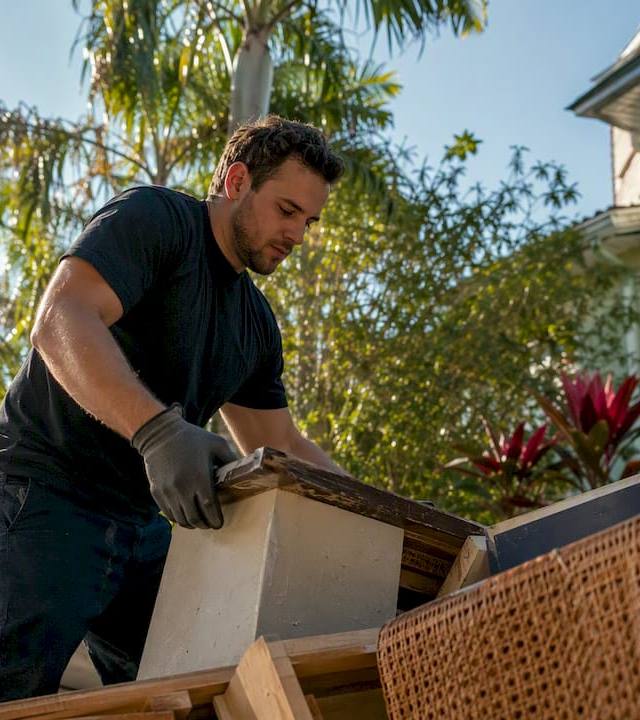
What Naples Residents Need to Know About Hurricane Debris Pickup
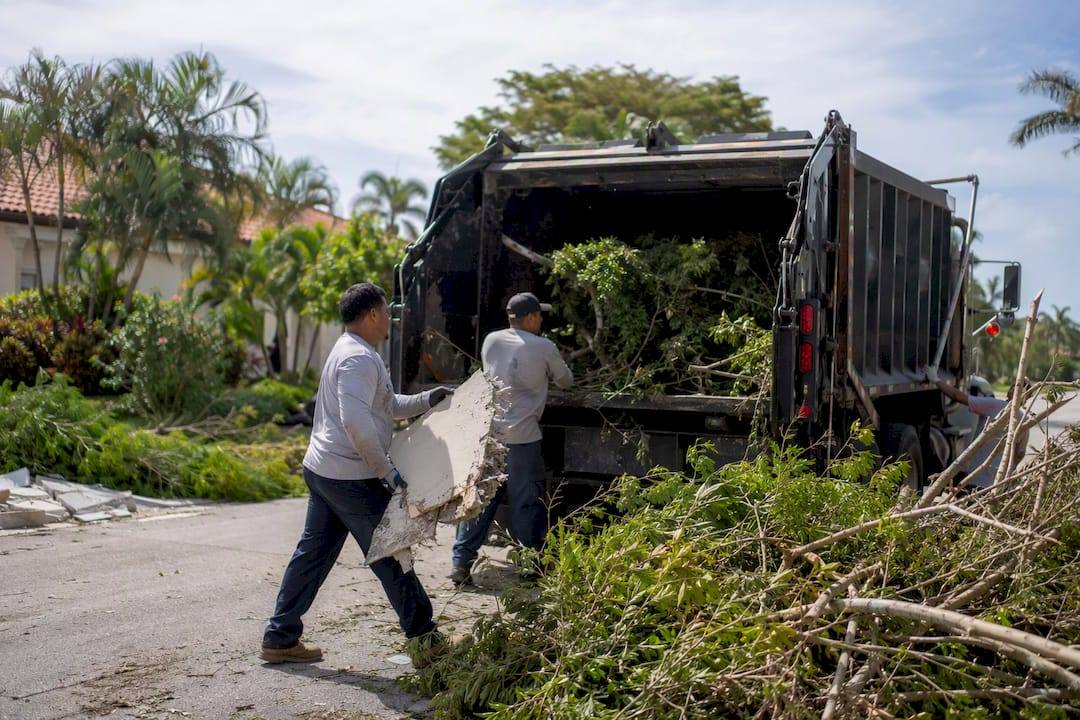
What Naples Residents Need to Know About Hurricane Debris Pickup
Wait for county pickup if your storm debris is a normal curbside pile with no urgent safety risk. Hire a local crew immediately if debris blocks your driveway, sits on a private or gated road, or poses a hazard. Collier County and the City of Naples run a prioritized, multi-pass collection system after any declared storm event, and it works. It also takes time.
- Vegetative debris, construction and demolition (C&D) material, appliances, and electronics all need separate piles.
- Household hazardous waste never goes curbside. It goes to a drop-off center.
- Gated communities need a Right of Entry form on file before county trucks can enter at all.
Quick fact: After Hurricane Ian, Collier County collected roughly one million cubic yards of debris using more than 200 trucks running long shifts. That scale is exactly why patience matters for non-urgent piles, and why urgent situations call for a private crew instead of waiting your turn.
Key Takeaways
Naples hurricane debris pickup runs on a prioritized county schedule, but urgent, private-road, or gated-access situations require a local on-demand crew instead of waiting.
| Point | Details |
|---|---|
| Sort debris by type | Separate vegetative, C&D, appliances, and electronics into distinct piles to avoid skipped collection. |
| Keep piles clear of utilities | Avoid blocking hydrants, meters, mailboxes, and buried lines so claw trucks can collect without damage. |
| Route hazardous waste correctly | Take paint, batteries, chemicals, and bulbs to one of Collier County’s four drop-off centers. |
| File Right of Entry early | Gated communities need this form on file before county contractors can legally enter. |
| Call Fix. Move. Haul. for urgent needs | Fix. Move. Haul. offers same-day local debris removal for blocked driveways, gated access, and full cleanouts. |
Table of Contents
- How Naples Hurricane Debris Pickup Actually Works
- Where Do You Take Hazardous Waste in Collier County?
- When Should You Hire a Private Debris Removal Crew?
- What If You Live Behind a Gate? Right of Entry Explained
- How Long Does Debris Pickup Take, and What If Yours Gets Skipped?
- How Fix. Move. Haul. Helps After the Storm
- What the County Won’t Tell You (But Should)
- Get Your Debris Cleared Without Waiting on the County Schedule
- Sources
How Naples Hurricane Debris Pickup Actually Works
Collier County and the City of Naples don’t clear the whole county at once. Crews prioritize schools and major thoroughfares first, then public gathering places, then residential streets. If you live off a side street in a quiet neighborhood, expect to wait longer than someone near a hospital or a main corridor. That’s not favoritism. It’s triage.
Mechanized claw trucks do the heavy lifting, and they move through neighborhoods in passes, meaning a truck might not return to your street for days or weeks after the first sweep. Piles need to sit clear of fire hydrants, water meters, mailboxes, and buried utility lines. A claw operator working fast through a residential grid isn’t going to stop and hand-sort a pile that’s been dumped over a meter box.
Curbside collection generally covers four categories:
- Vegetative debris: tree limbs, palm fronds, shrubs, and leaf piles.
- Construction and demolition (C&D) material: fencing, drywall, roofing scraps, lumber.
- Appliances and white goods: refrigerators, washers, water heaters.
- Electronics: TVs, computers, and similar e-waste.
Mixing these categories into one pile slows everything down, because trucks are often assigned by debris type. Regular household garbage and recycling stay on their normal weekly schedule throughout the cleanup. Don’t toss storm debris in your trash cart, and don’t skip your usual recycling pickup because you assume everything’s on hold.
Pro Tip: Sort debris by type into separate piles even before the first pass comes through. A single mixed pile of branches, drywall, and a broken microwave can get flagged and skipped entirely, forcing you to wait for a specialty crew.
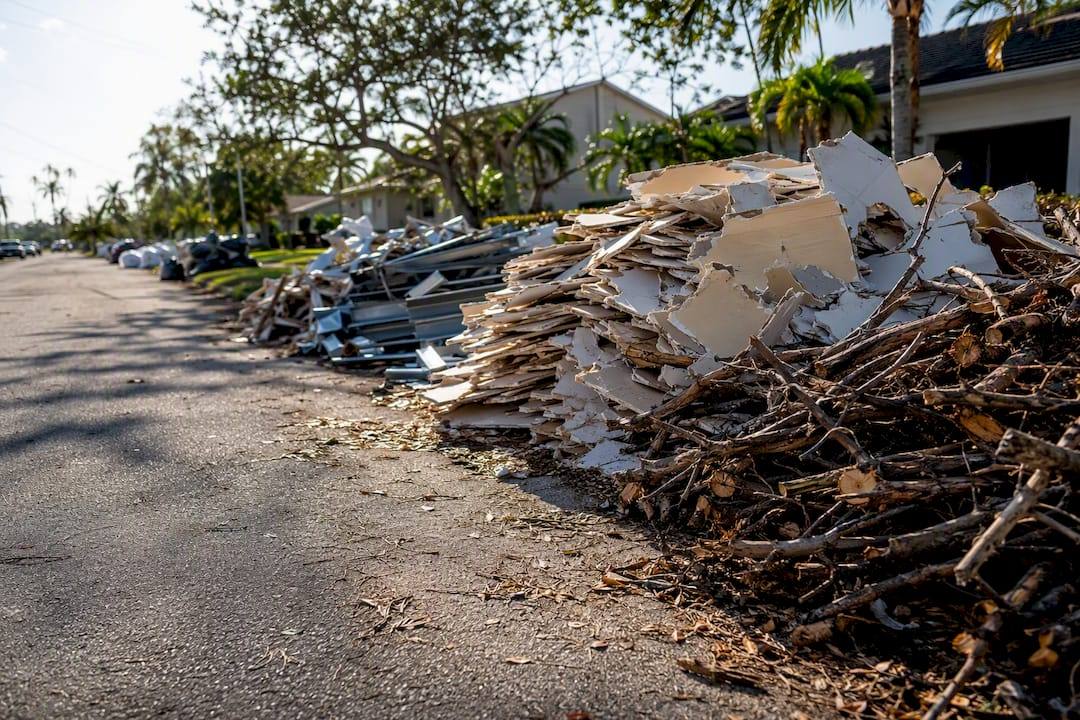
Where Do You Take Hazardous Waste in Collier County?
Paint cans, gasoline, pool chemicals, car batteries, fluorescent bulbs, and old electronics don’t belong at the curb, storm or no storm. Collier County runs four Recycling Drop-Off Centers serving Naples and the surrounding area, generally open Monday through Saturday from 8:30 a.m. to 4:30 p.m.
Getting hazardous items there safely takes a little planning:
- Keep chemicals in their original, labeled containers whenever possible.
- Secure lids and place containers upright in a box or bin so nothing spills in transit.
- Call ahead or check the center’s posted hours if you’re bringing a large volume, since some materials have quantity limits for household drop-off.
- Separate batteries and bulbs from liquids to avoid cross-contamination in your vehicle.
Skipping this step isn’t just inconvenient. A pile with paint cans or propane tanks mixed into vegetative debris can get an entire curbside pickup skipped for safety reasons, delaying collection for your whole street.
When Should You Hire a Private Debris Removal Crew?
County pickup is free and thorough, but it isn’t fast, and it isn’t built for every situation. Some circumstances call for private help right away:
- Your driveway or garage is blocked and you need to get a vehicle out for work, medical appointments, or evacuation prep.
- Debris poses an immediate hazard, like a fallen tree limb resting on a power line or roof.
- You have structural debris from a damaged shed, fence, or lanai screen that goes beyond what curbside crews handle.
- You live on a private road or in a gated community where county contractors aren’t authorized to enter.
A local on-demand crew can typically schedule same-day or next-day service, work inside gated communities that municipal contractors can’t access, and handle jobs county trucks simply won’t touch, like a full appliance haul from inside a garage. Private crews also commonly document the removal work with photos, which speeds up insurance claims for property owners filing damage reports.
Pro Tip: Get a written scope from any private contractor before work starts. It should specify where debris is going, whether materials get separated for recycling, and what documentation you’ll receive for insurance purposes.
What If You Live Behind a Gate? Right of Entry Explained
If your neighborhood has a gate, a private road, or an HOA-controlled entrance, county debris crews legally cannot enter without paperwork on file first. Collier County requires a Right of Entry and Indemnification form before public contractors can clear debris from private property, and FEMA’s reimbursement rules tie into this requirement too, since federal funding for county cleanup often depends on that paperwork being in order.
No form on file means no county truck, period. Your HOA or property manager needs to act before storm season, not during it.
- Submit the Right of Entry form to Collier County well ahead of hurricane season.
- Keep community contact information current with the county so notices reach the right person.
- Communicate clearly with homeowners about whether the ROE is filed, so residents aren’t caught off guard.
- If the ROE isn’t filed in time, budget for a private contractor or lean on insurance coverage to clear community debris.
Communities that skip this step often end up paying out of pocket for removal that would otherwise have been free.
How Long Does Debris Pickup Take, and What If Yours Gets Skipped?
The first pass after a major storm can take weeks. A severe hurricane can stretch the full cleanup into months. After Ian, contractors worked seven days a week from early morning into the evening to move roughly a million cubic yards of debris off Collier County streets. That kind of volume doesn’t clear in a weekend, no matter how many trucks are running.
Piles get skipped for predictable reasons:
- The pile blocks a hydrant, meter, mailbox, or buried utility line.
- Debris types are mixed together instead of sorted.
- The pile sits too close to the road or obstructs truck access.
- Hazardous items are mixed into the pile, which halts collection at that stop entirely.
If your pile follows the rules and still gets missed, report it through the county’s solid waste hotline or online reporting tool rather than assuming a crew will circle back on its own. If you can’t afford to wait for a resolution, that’s the moment to call a private crew instead of re-reporting the same pile twice.
How Fix. Move. Haul. Helps After the Storm
Fix. Move. Haul. is an on-demand home assistance and concierge company serving Naples, Bonita Springs, Estero, and the rest of Southwest Florida, with junk removal and property cleanouts among its core services. The company works directly with local homeowners, which tends to mean faster response times than a national chain, and same-day service is common when timing matters.
Here’s what that looks like for a resident facing storm debris:
- Same-day or next-day pickup for driveway-blocking debris that can’t wait for the county’s next pass.
- Access to gated communities and private roads where municipal crews may not be authorized to enter.
- Support for full property cleanouts when storm damage goes beyond a curbside pile.
- Documentation of removed items, useful when you’re filing an insurance claim.
A homeowner behind a locked gate with no Right of Entry form filed isn’t waiting on county paperwork to get their driveway clear. That’s the entire reason on-demand local help exists.
Before booking, have your address, photos of the debris, gate codes if applicable, and a rough list of bulky items ready. It speeds up the quote and the job itself.
What the County Won’t Tell You (But Should)
The county’s debris program works about as well as a program covering hundreds of square miles can. Trucks show up, piles get sorted, and eventually the streets clear. What official guidance tends to underplay is how much the timeline depends on factors outside any single homeowner’s control: storm severity, contractor availability, and where your street falls in the priority order.
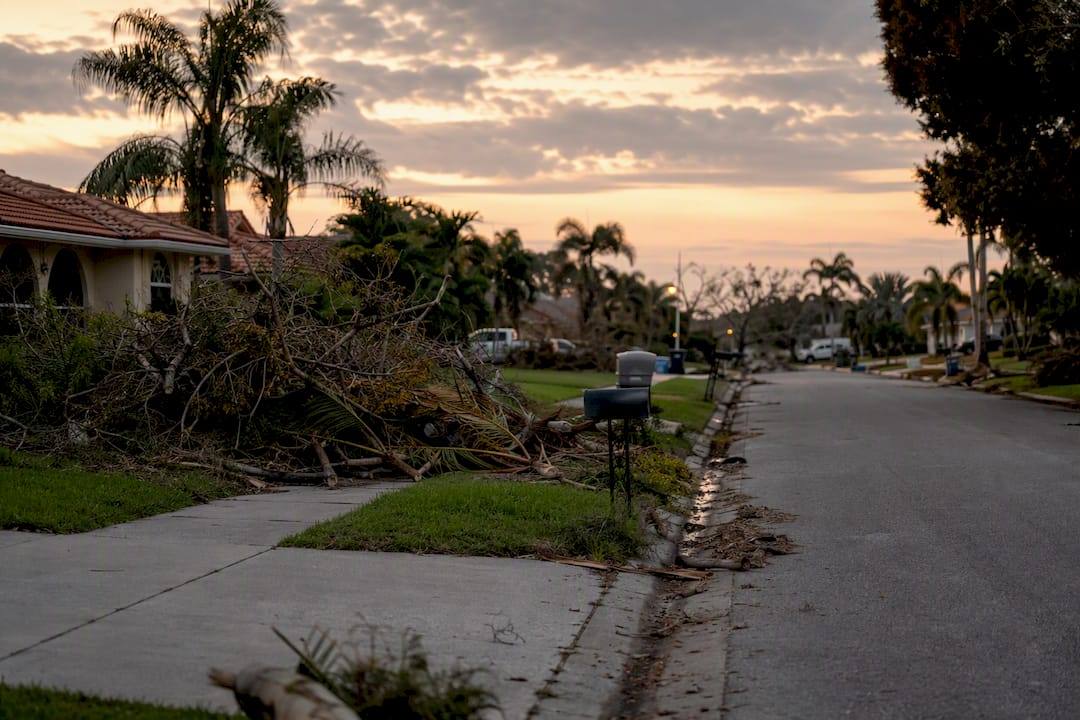
The conventional advice, “put your debris at the curb and wait,” is fine advice for someone with a manageable pile and no urgent access problem. It’s bad advice for someone whose driveway is blocked, who lives behind a gate with no Right of Entry form filed, or who’s trying to get a house market-ready on a realtor’s timeline. Those situations aren’t edge cases. They come up constantly in Naples, where snowbirds, HOAs, and seasonal renters complicate what looks like a simple curbside pickup on paper.
My honest read: sort your debris correctly and let the county handle routine piles, because it’s free and it works. But don’t treat “wait for the pass” as a universal answer. If your access is blocked or your community’s paperwork isn’t filed, waiting costs you more than a phone call would.
— Mark
Get Your Debris Cleared Without Waiting on the County Schedule
County pickup works, but it runs on its own calendar, not yours. If you need your driveway clear today, live behind a gate with no Right of Entry form on file, or just want the whole job handled without sorting piles yourself, Fix. Move. Haul. offers same-day and next-day junk removal across Naples with no waiting for the next county pass.

Before you book, have your address, a few photos of the debris, gate access codes if you’re in a gated community, and a note on whether anything includes hazardous materials like paint or batteries, since those need separate handling. For non-urgent curbside piles with no access issues, county pickup is still the right call and helps keep local crews available for genuine emergencies. When you need it done now, request a quote for junk removal in Naples and get a crew on the schedule.
Sources
- Hurricane Preparedness | Collier County, FL
- Collier County: 1 million cubic yards of debris collected from Ian — Naples Daily News