
Appliance Removal Cost for Homeowners: $75–$250, When a Pro Crew Pays
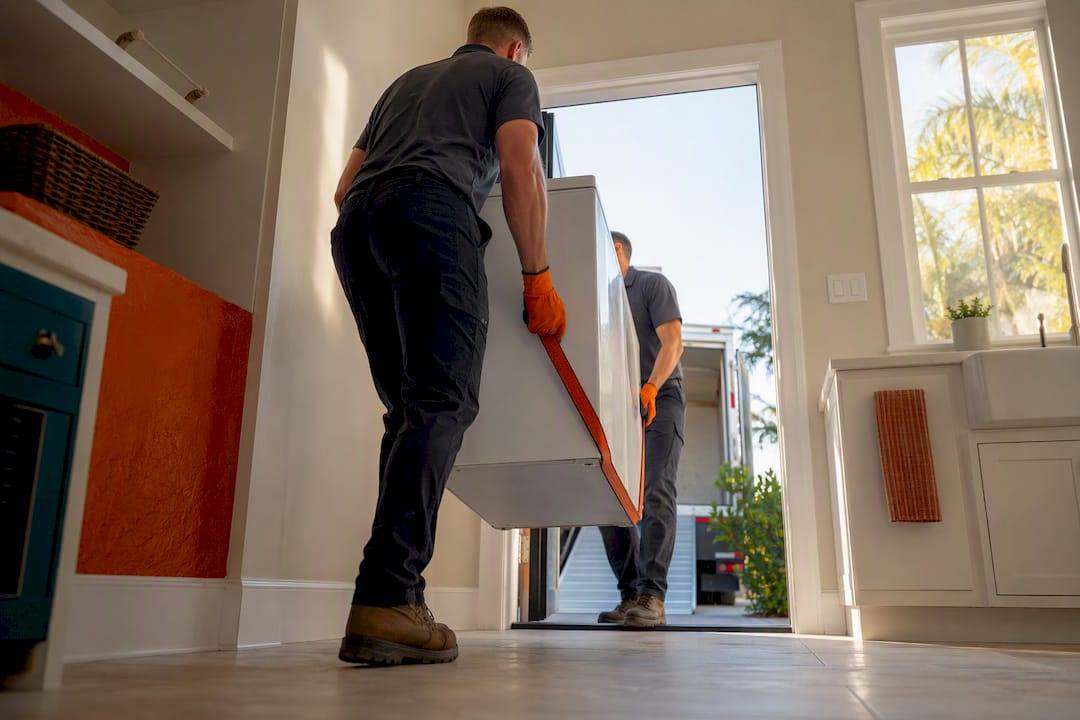
Appliance Removal Cost for Homeowners: $75–$250, When a Pro Crew Pays
Removing a single appliance typically runs $75 to $250, with most jobs landing near the average cost seen; for more details on pricing differences by appliance type, see this appliance removal advice from Florida Cleaning Crew. Prices swing based on three things: how hard the appliance is to reach (stairs, tight hallways, basements), whether it holds refrigerant that requires certified recovery, and how many items you’re getting rid of at once. Cheaper or free routes exist, like retailer haul-away or municipal bulk pickup, but they come with eligibility rules worth checking first.
TL;DR:
- Access issues like stairs, tight hallways, and unmounting appliances can add $20 to $60 per flight or increase labor time significantly.
- Refrigerant recovery costs $20 to $50, especially for older units with mercury or PCB components, and is a legal requirement for disposal.
- Bundling multiple appliances into one pickup typically reduces costs by $50 to $75, as drive time and minimum charges are shared.
- Appliance removal generally costs between $75 and $150 each, with specific prices for refrigerators, washers, dryers, and water heaters.
- Scheduling for quick, same-day removal is possible within 24 to 72 hours if appliances are prepped, accessible, and there are no trade disconnects needed.
Table of Contents
- What Does Appliance Removal Cost on Average?
- What Actually Drives the Price Up or Down
- What You’ll Pay for Each Type of Appliance
- How to Cut the Cost Without Cutting Corners
- How Long Does Appliance Removal Actually Take?
- When a Concierge Service Actually Pays for Itself
- Get a Same-Day Appliance Removal Quote in Southwest Florida
- Sources
What Does Appliance Removal Cost on Average?
Pull data from the major pricing guides and a pattern emerges fast. Thumbtack’s pricing data puts the national average in the $109 to $244 range per appliance, while Homewyse’s cost calculator shows a wider band of roughly $77.79 to $259, depending on labor assumptions and site conditions. Yelp’s contributor-reported figures land in a similar zone. Stack them together and you get a realistic working range of $75 to $250 per appliance, with a $100 to $150 midpoint for a single, reasonably accessible pickup.
The number you actually get quoted depends on how the provider prices the job. Four models dominate:
- Per-item pricing: a flat rate for each appliance, common for simple curbside jobs.
- Truckload pricing: you pay for the space your items take up in the truck, which rewards bundling.
- Hourly plus minimum: crews charge by the hour with a set minimum, often $75 to $150, even if the job takes fifteen minutes.
- Flat-service minimums: a base callout fee that covers the first item, with additional appliances added at a discount.
A washer sitting by the curb, ready to load, is typically at the lower end of these price models, while a refrigerator in difficult-to-reach locations increases labor cost and pushes the price higher. The gap between those two scenarios is almost entirely about access and item count, which is why the next section matters more than the sticker price you see in an ad.
What Actually Drives the Price Up or Down
Four variables explain almost all the difference between a $75 quote and a $250 one, and none of them are mysterious once you know what to look for.
Access is the biggest lever. Stairs, narrow hallways, and built-in appliances that need to be unmounted or unbolted all add labor time. Yelp’s cost data puts stair and basement access add-ons at roughly $20 to $60 per flight, or the equivalent in extra labor time for tight interior jobs.
Refrigerant recovery is a legal requirement, not a upsell. Refrigerators, freezers, and some window and central AC units contain refrigerants that federal law prohibits venting into the air. EPA Section 608 requires certified technicians to recover that refrigerant before disposal, and most services build a $20 to $50 surcharge into fridge and freezer quotes to cover it. Older units can carry extra complexity, too. Appliances made before the mid-1990s sometimes contain mercury switches or PCB-laden components that add handling steps beyond the standard freon recovery.
Statistic Callout: Urban markets typically run 20% to 40% higher than rural areas for the identical job, according to Thumbtack’s regional pricing data, driven by labor rates, disposal tipping fees, and fuel costs.
Item count changes your per-unit price. One appliance pays full freight; bundle three or four into a single visit and the per-item cost drops because the crew makes one trip instead of several.
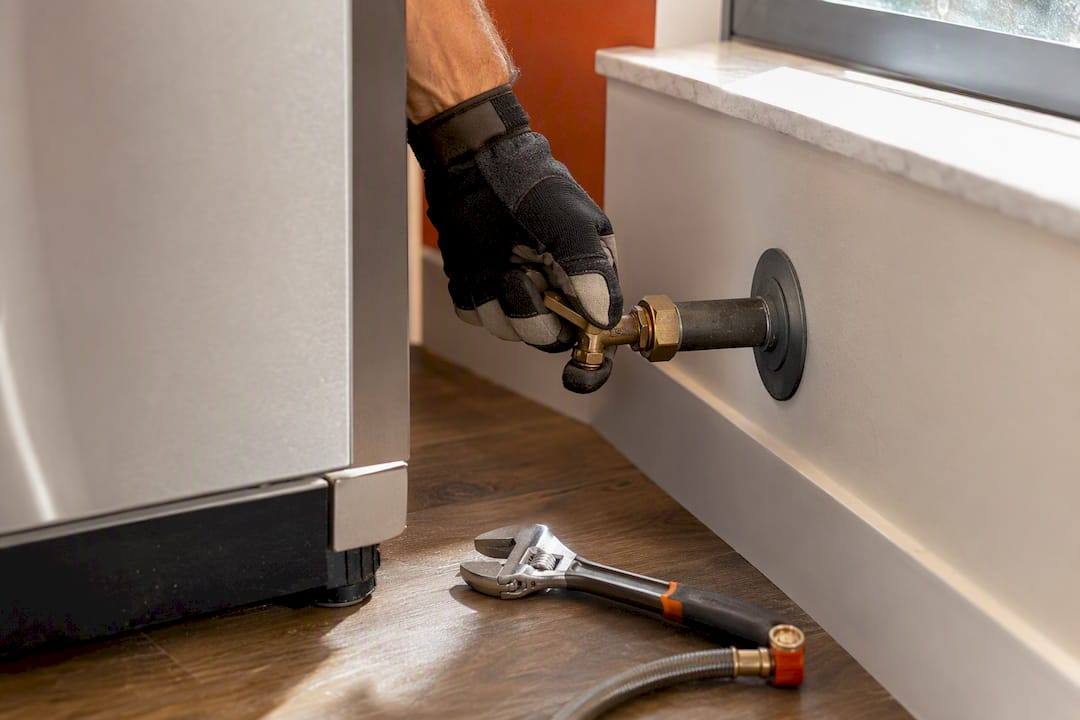
Trade disconnects often bill separately. If a gas range or hardwired appliance needs a licensed plumber or electrician, expect a standalone service-call fee of $75 to $150 on top of removal.
What You’ll Pay for Each Type of Appliance
Not every appliance costs the same to remove, and knowing the per-item benchmarks helps you sanity-check any quote you receive.
- Refrigerator or freezer: Typical full-service refrigerator or freezer removal costs fall within a broad range reflecting differences in size, complexity, and access, with surcharges included for environmental compliance.
- Washer or dryer: $75 to $150 each, slightly higher if stacked units need separating or if a gas dryer requires a line disconnect.
- Dishwasher or stove/range: $75 to $150, with gas ranges trending toward the top of that range because of the disconnect step.
- Microwave or window AC unit: $50 to $100, the cheapest category since these are light and rarely need a permit or recovery step.
- Water heater: $75 to $150, more if it’s tucked in an attic or crawlspace.
| Appliance | Typical Range |
|---|---|
| Refrigerator/freezer | $100–$250 |
| Washer or dryer (each) | $75–$150 |
| Dishwasher/stove | $75–$150 |
| Microwave/window AC | $50–$100 |
| Water heater | $75–$150 |
Bundling pays off in a real, calculable way. A household clearing out a fridge, washer, and dryer in one visit typically saves $50 to $75 compared to booking three separate pickups, since the crew’s drive time and minimum charge get spread across all three items instead of billed three times over.
How to Cut the Cost Without Cutting Corners
You have more control over the final number than most people realize. A few moves, made before you ever call a provider, tend to make the biggest difference.
- Check retailer haul-away first if you’re buying a replacement. Many big-box retailers will remove your old unit for $25 to $50 when they deliver the new one, which almost always beats a standalone removal call.
- Look into utility recycling rebates. Some utility companies pay $25 to $100 to take a working, qualifying refrigerator or freezer off your hands, since it reduces grid load.
- Bundle everything into one pickup. Group appliances, furniture, and other junk into a single visit rather than scheduling multiple trips.
- Prep the appliance before the crew arrives. Empty it, unplug it, and clear a path from the appliance to the door. Photograph the unit and the access route so a provider can quote accurately over the phone or online.
- Ask what’s included before you book. Confirm whether refrigerant recovery, disposal fees, and the service minimum are already folded into the quoted price, or whether they’ll show up as add-ons later.
Pro Tip: Take a photo of your appliance’s brand plate before you call for a quote. Model and dimensions often change the estimate, and having them ready saves a callback and speeds up scheduling.
Municipal bulk pickup is worth a look too, particularly for curbside-eligible items, but confirm your city’s rules on scheduling windows and appliance eligibility before you set something on the curb and walk away.
How Long Does Appliance Removal Actually Take?
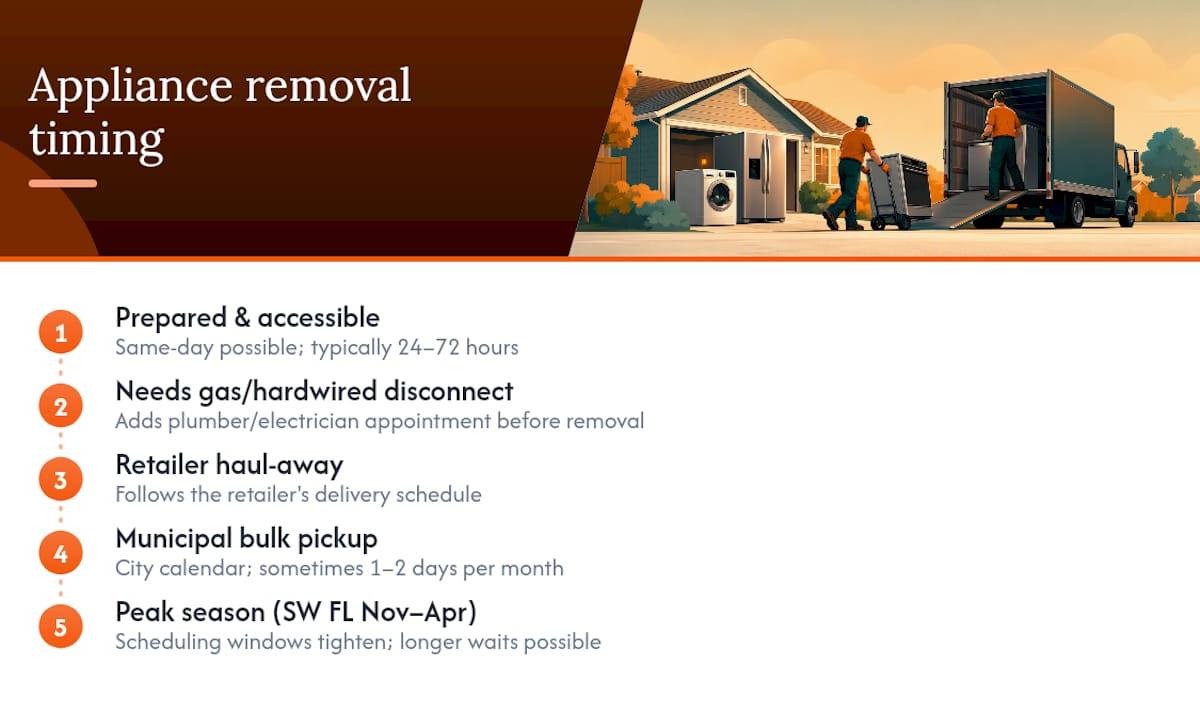
Most homeowners can get an appliance removed within 24 to 72 hours of first contact, assuming the unit is accessible and doesn’t need a trade disconnect first. A same-day removal is often possible if you call early and the appliance is ready to go: unplugged, emptied, and sitting somewhere a two-person crew can reach without a special trip.
The timeline stretches when a few things happen. If a gas range or hardwired unit needs a plumber or electrician to disconnect it first, you’re adding a separate appointment before removal can even happen. If you’re waiting on a retailer haul-away tied to a new delivery, you’re on the retailer’s delivery schedule rather than a removal company’s. And during peak snowbird season in Southwest Florida, from roughly November through April, scheduling windows for local crews tighten as demand spikes.
The practical planning rule: book removal at least a few days ahead if you have any flexibility, and same-day only if your unit is fully prepped and reachable without special equipment. Municipal bulk pickup runs on its own calendar, sometimes just one or two days a month, so check your city’s schedule if you’re going that route instead of a paid service.
When a Concierge Service Actually Pays for Itself
The instinct to save money by handling removal yourself makes sense on paper. In practice, it falls apart the moment an appliance is broken, sitting on a second floor, or leaking refrigerant that needs certified recovery under EPA Section 608. A crew with the right equipment and floor protection turns a two-hour ordeal into a fifteen-minute job, and avoids the kind of wall or floor damage that costs more to fix than the removal would have.
A transparent quote should spell out the flat rate, confirm whether refrigerant recovery is already included rather than tacked on later, and note any stair or access charges before the truck shows up. Southwest Florida homeowners, snowbirds closing up for the season, and realtors prepping a listing all run into the same problem: they need one item gone today, not a week from now. That’s the exact gap Fix Move Haul was built to close, with crews who quote the job before they touch it.
— Mark
Get a Same-Day Appliance Removal Quote in Southwest Florida
Skip the guesswork on pricing. Fixmovehaul gives Naples, Bonita Springs, Estero, and Lee and Collier County homeowners a flat, written quote before any truck leaves the lot, so refrigerant recovery, stair access, and disposal fees are accounted for upfront instead of surprising you at pickup.

To get an accurate quote fast, have the appliance type, item count, and a couple of photos of the unit and the path to your door ready when you request a price. If you’re replacing an appliance through a big-box run, Fixmovehaul’s Home Depot & Lowe’s pickup service can handle the new delivery and old-unit removal in the same visit. For everything else, from a single fridge to a full property cleanout, start with a quote through Fixmovehaul’s junk removal service and get a same-day time slot on the books.
Sources
- Appliance removal cost: Thumbtack pricing guide
- EPA — Section 608
- Yelp cost guide — Appliance removal
- Homewyse cost calculator — Cost to remove appliances